
About Joshimath
About Joshimath
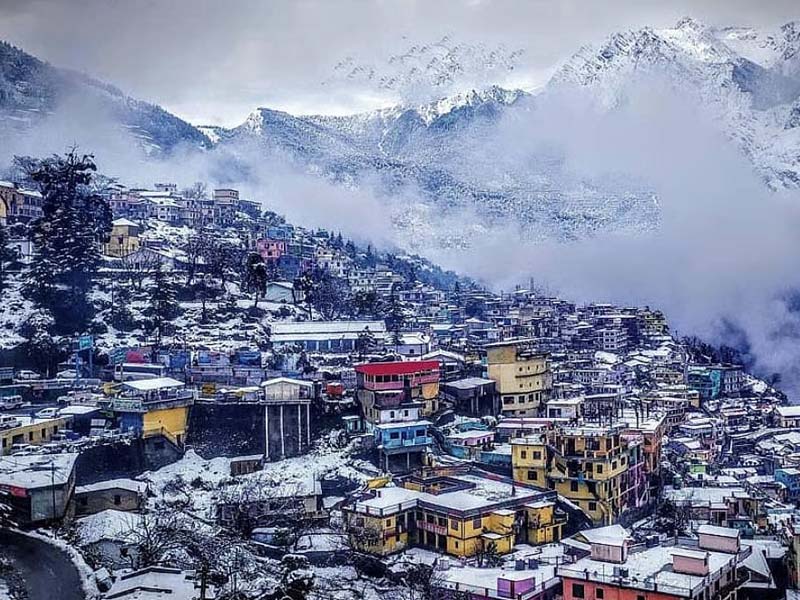
Joshimath, also known as Jyotirmath, is a sacred Himalayan town and an important transit hub located in the Chamoli district of Uttarakhand. Perched at an elevation of over 6,000 feet in the majestic Garhwal Himalayas, Joshimath is surrounded by towering peaks, dense forests, and the serene flow of the Alaknanda River, offering both spiritual depth and natural grandeur.
Historically, the town holds immense religious significance. It was established as one of the four cardinal monasteries (mathas) in India by Adi Shankaracharya in the 8th century. Known as the Jyotir Math, it serves as a major center of learning and spiritual practice in the Advaita Vedanta tradition. The ancient temples and sacred sites here reflect centuries of devotion and philosophical heritage, attracting saints, scholars, and pilgrims from across the country.
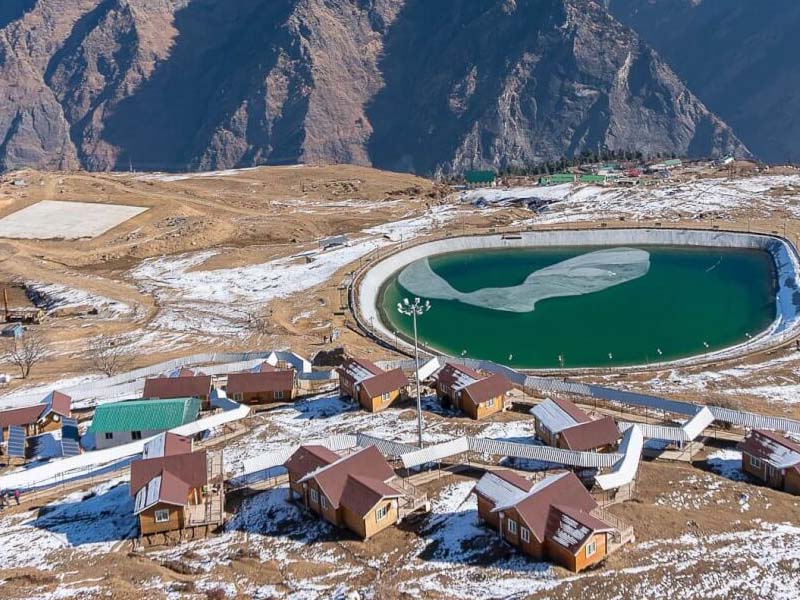
Beyond its religious importance, Joshimath serves as the gateway to several iconic Himalayan destinations. It is the starting point for treks to the breathtaking Valley of Flowers National Park, a UNESCO World Heritage Site known for its vibrant alpine blooms, and to Hemkund Sahib, one of the highest Sikh pilgrimage sites in the world. Adventure enthusiasts and nature lovers also pass through Joshimath on their way to Auli, a popular hill station famed for its skiing slopes and panoramic Himalayan views.
Blending spirituality, history, and breathtaking landscapes, Joshimath stands as a timeless destination where devotion meets adventure, and ancient heritage harmonizes with the tranquil beauty of the Himalayas.
Key Aspects of Joshimath
Religious Significance : Joshimath holds immense spiritual importance in Hindu tradition. It is one of the four sacred mathas (monasteries) established by Adi Shankaracharya in the 8th century to revive and spread the philosophy of Advaita Vedanta across India. Known as the Jyotir Math, this monastery serves as a prominent center of religious learning and spiritual guidance in the northern region.
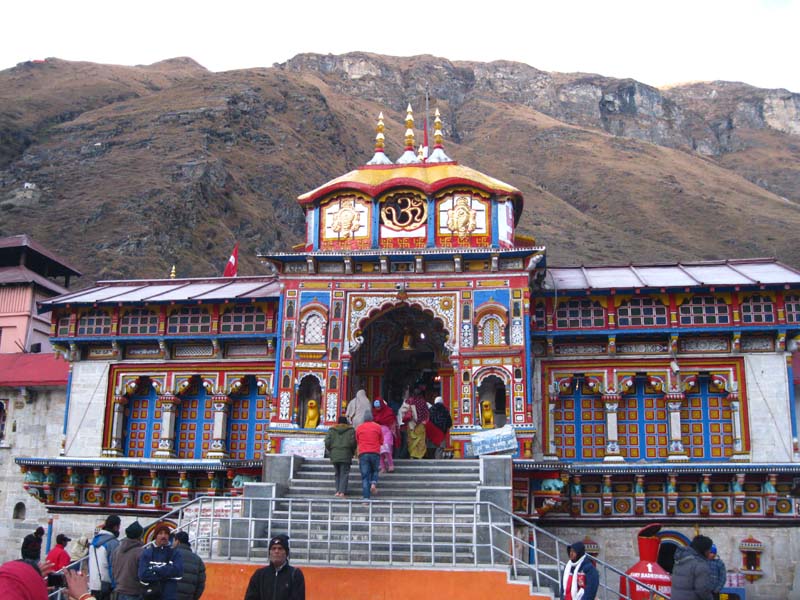
The town is also home to the revered Narasimha Temple, dedicated to Lord Narasimha, an incarnation of Lord Vishnu. This temple carries special significance as it becomes the winter seat of Lord Badrinarayan. During the winter months, when heavy snowfall leads to the closure of the high-altitude Badrinath Temple, the idol of Lord Badrinarayan is ceremoniously brought to Joshimath and worshipped here. This centuries-old tradition transforms the town into a major center of pilgrimage, drawing devotees who seek blessings even when the main shrine remains inaccessible.
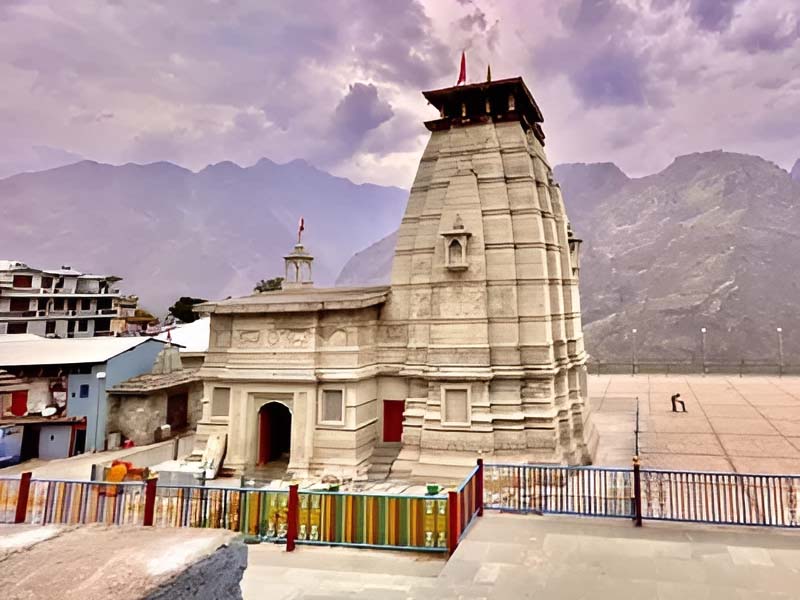
Through its ancient monasteries, sacred temples, and living traditions, Joshimath continues to preserve its deep-rooted spiritual heritage, making it a vital destination for pilgrims and seekers alike.
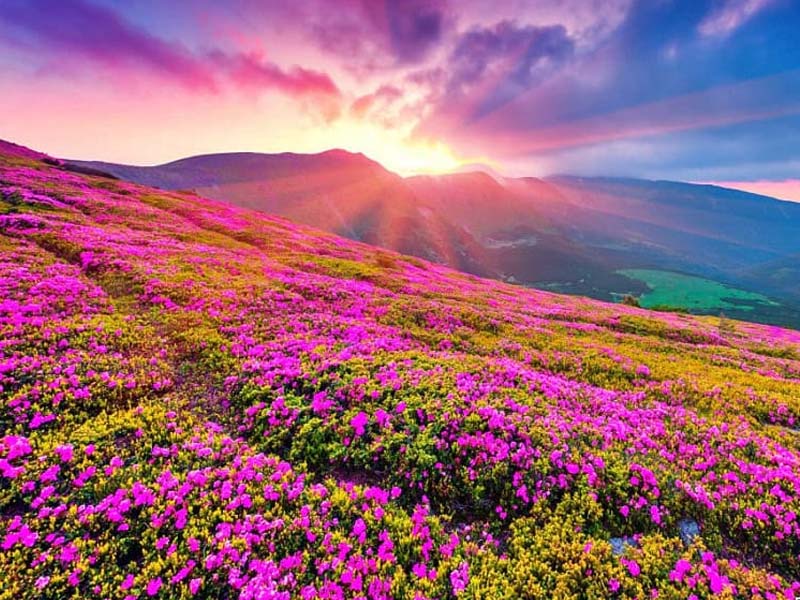
Location and Connectivity : Located at an altitude of 1,890 meters, Joshimath serves as a vital base for pilgrims, trekkers, and adventure enthusiasts. It is the main halt for those traveling to the sacred Badrinath Temple, the renowned skiing slopes of Auli, and the stunning Valley of Flowers National Park, famous for its vibrant alpine flora.
Its well-connected road network, availability of accommodation, and essential facilities make it an ideal stopover before ascending to higher Himalayan destinations. Surrounded by majestic peaks and scenic landscapes, Joshimath offers travelers a refreshing pause amidst nature’s grandeur.
In addition to its tourism and pilgrimage importance, the town holds strategic significance due to its proximity to the Indo–China border. Its location makes it an important center for administration and defense in the region, further enhancing its prominence in the Garhwal Himalayas.
Geological Vulnerability : In recent years, Joshimath has faced serious environmental challenges, most notably severe land subsidence (ground sinking). In early 2023, studies and satellite data revealed alarming rates of sinking, with certain areas reportedly subsiding by approximately 5.4 cm within just a 13-day period. Cracks began appearing in homes, roads, and public infrastructure, prompting concern among residents and authorities.
Experts have attributed this crisis to multiple factors, including unplanned and rapid construction, increasing urban pressure, large-scale hydropower projects in the surrounding region, and the town’s fragile geological foundation. Joshimath is built on old landslide debris and loose soil, making it particularly vulnerable to instability.
The situation has highlighted the urgent need for sustainable development, stricter construction regulations, and long-term environmental planning to protect this historically and spiritually significant Himalayan town.
Places to Visit Joshimath

Kalpavrishka
Kalpavriksha is a sacred and ancient mulberry tree located in the holy town of Joshimath. It is believed to be more than a thousand years old and holds great religious importance in Hindu tradition. According to belief, the great philosopher and saint Adi Shankaracharya meditated under this tree while spreading the teachings of Advaita Vedanta.
The name Kalpavriksha means “wish-fulfilling divine tree.” Devotees and pilgrims visit this sacred place to pray, meditate, and seek blessings for prosperity, peace, and fulfillment of their wishes. The calm and spiritual atmosphere around the tree makes it a peaceful spot for visitors.
Located near the famous Narsingh Temple, Kalpavriksha is an important religious and tourist attraction for people traveling to the Himalayan shrines such as Badrinath Temple. Visitors often stop here to experience its spiritual significance and the serene beauty of the surrounding Himalayan region.
Narsingh Temple
Narsingh Temple is a famous and sacred temple located in the town of Joshimath. The temple is dedicated to Lord Narasimha, the fourth incarnation of Vishnu, who appeared in a half-man and half-lion form to protect his devotee Prahlad and defeat the demon king Hiranyakashipu.
The temple holds great religious importance and is considered the winter seat of worship for Badri Vishal from Badrinath Temple. During winter, when heavy snowfall closes the Badrinath shrine, the idol of Lord Badrinath is brought to Narsingh Temple and worshipped here by devotees.
One unique belief associated with this temple is that the left arm of Lord Narasimha’s idol is gradually getting thinner. According to local tradition, the day this arm breaks, the route to Badrinath through the mountains will close permanently due to landslides, and a new path will open through another sacred place.


Kagbhusandi Tal
Kagbhusandi Tal is a beautiful high-altitude glacial lake located in the Garhwal Himalayas near Joshimath. Surrounded by snow-covered peaks and alpine meadows, the lake lies at an altitude of about 5,200 meters and is considered one of the most remote and scenic lakes in the region. According to mythology, the lake is named after the sage Kagbhusandi, a devotee of Lord Rama who is believed to have meditated in this sacred area.
The Kankul Pass Trek is a challenging and adventurous route that leads trekkers through dense forests, high-altitude grasslands, glaciers, and rugged mountain passes before reaching Kagbhusandi Tal. The trek offers breathtaking views of Himalayan peaks and untouched natural beauty, making it popular among experienced trekkers and nature lovers.
Gari Bhavani Temple
Gari Bhavani Temple is a revered temple located near the town of Joshimath in the Chamoli district of Uttarakhand. The temple is dedicated to Goddess Bhavani, a powerful form of Durga, who is worshipped as the protector and guardian deity of the region.
Situated on a scenic hilltop, the temple offers breathtaking views of the surrounding Himalayan mountains and valleys. Devotees and visitors come here to seek blessings, peace, and spiritual strength. The peaceful environment and natural beauty around the temple make it not only a religious place but also a serene spot for travelers and pilgrims.
The temple is often visited by pilgrims traveling to nearby sacred destinations such as Badrinath Temple and other important sites around Joshimath. Its spiritual importance and scenic location make Gari Bhavani Temple a significant attraction in the region.


Gorson Bugyal
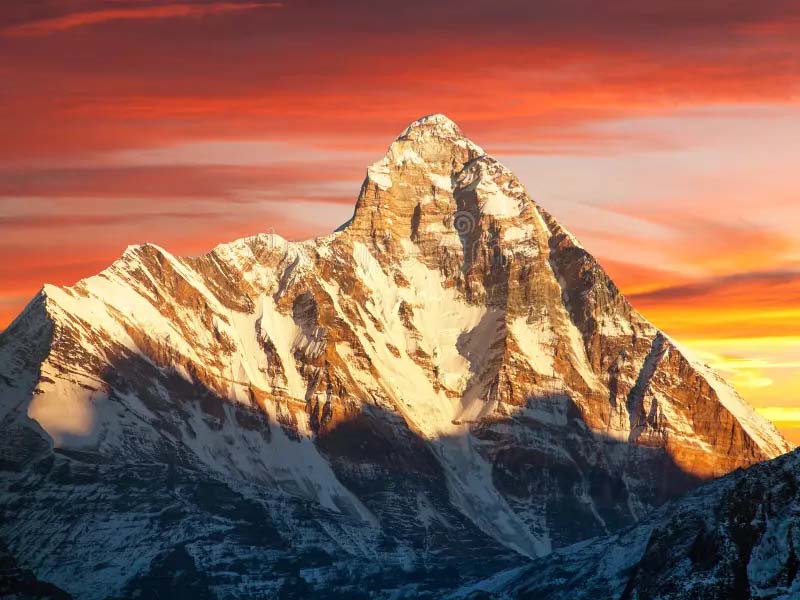
Gorson Bugyal is a beautiful high-altitude meadow located near Joshimath in the Garhwal Himalayas. Situated at an altitude of around 3,000 meters, it is one of the most scenic alpine meadows in Uttarakhand. Covered with lush green grasslands during summer and thick snow in winter, Gorson Bugyal offers breathtaking views of Himalayan peaks such as Nanda Devi, Dronagiri, and Hathi Parvat.
Situated on a scenic hilltop, the temple offers breathtaking views of the surrounding Himalayan mountains and valleys. Devotees and visitors come here to seek blessings, peace, and spiritual strength. The peaceful environment and natural beauty around the temple make it not only a religious place but also a serene spot for travelers and pilgrims.
